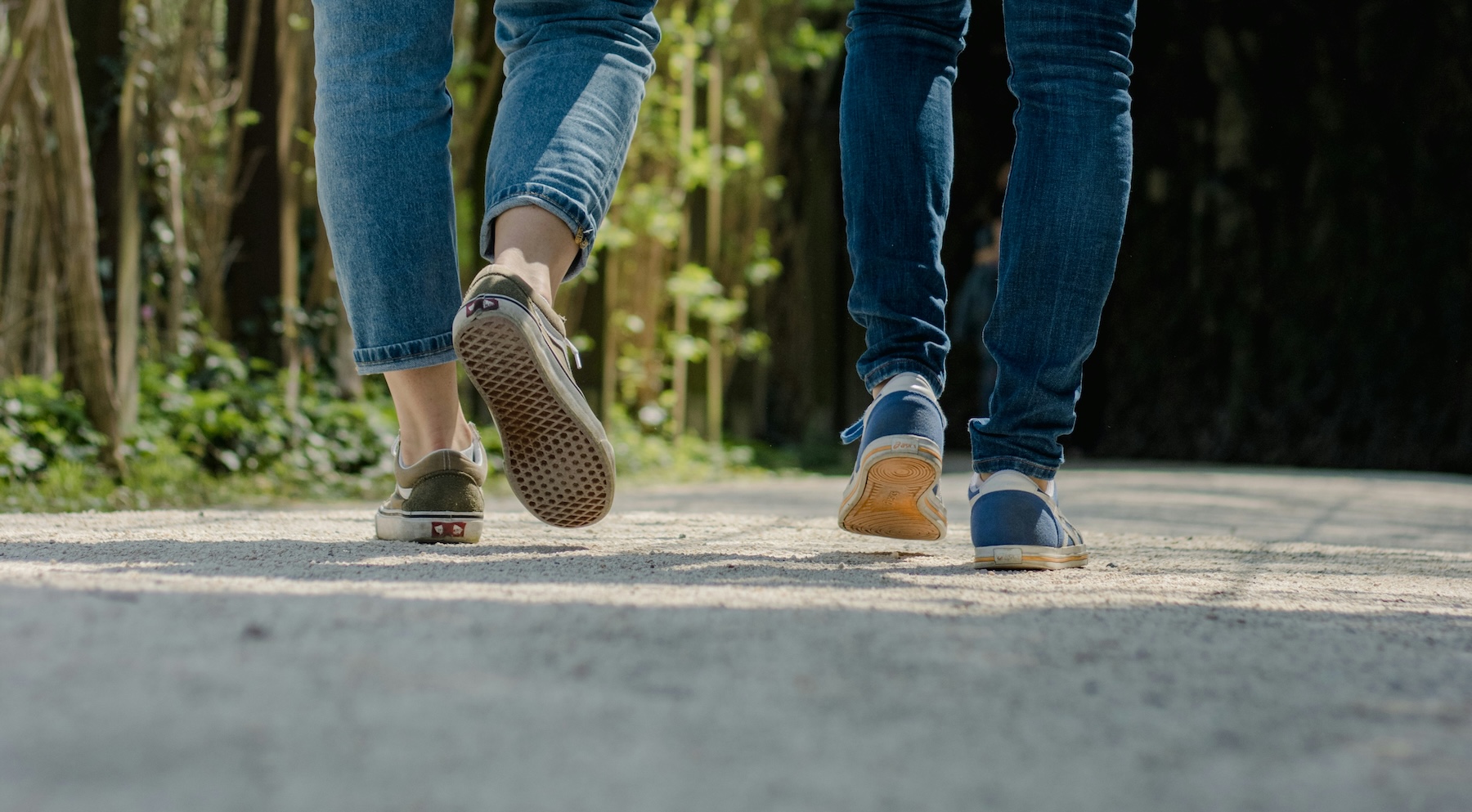
Walking supervision provides an opportunity to move and reflect simultaneously, giving multiple benefits. Although there is much in the literature about the benefits of walking meetings, walking supervision is not an area that has been well researched.
Regular supervision is a key part of educational psychology practice and an opportunity to reflect, seek advice, develop skills and reduce stress and anxiety. Traditionally it has been carried out indoors and sitting down. There are accounts of walking being associated with thinking and reflecting that go back over hundreds of years (Pang, 2017). In addition, the negative impact of sitting and sedentary behaviour is now well researched (Bauman et al., 2011; Owen et al., 2014).
‘Shall we walk?’
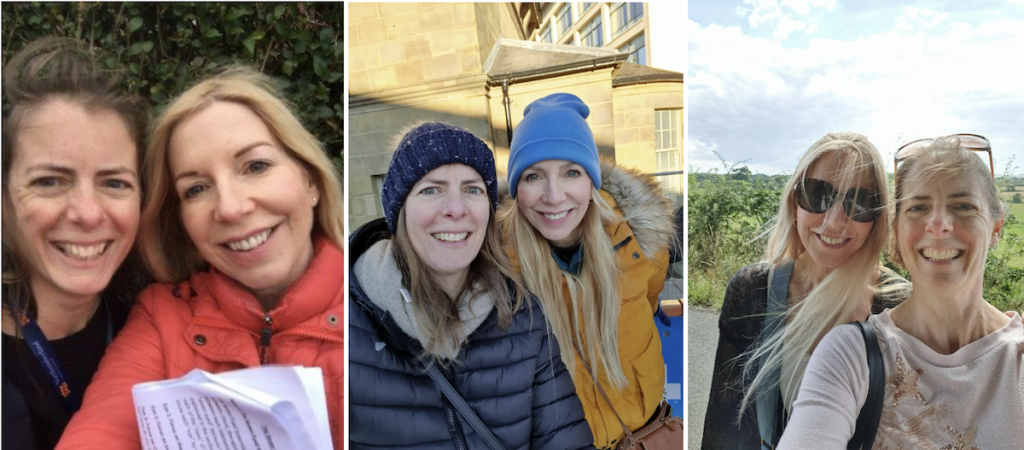
For the last 10 years, we (Jill and Gillian) have explored using walking supervision as a way of working together and achieving goals, whilst being active and providing respite from being indoors. Initially it was a way of creating space for discussion when internal accommodation was not available and quickly became a preferred way of carrying out supervision.
We found that being outdoors, being near trees or green spaces, boosted our energy levels, enthusiasm, and ability to return to the office refreshed and rejuvenated. During these walking supervision sessions, we use a range of supervision models. We have found that the freedom of being away from the formal office environment allows us to adopt a more playful approach to using different frameworks.
During the Covid-19 pandemic, lockdowns were introduced to keep people safe and reduce the burden on the NHS. This meant that EPs worked from home and “met” each other through virtual means for several months. From November 2020 people could meet 1 person outside their support bubble outdoors. This meant that walking supervision was an ideal way to re-introduce face to face contact with colleagues at a highly stressful and frightening time which supported collaborative working and connections.
Exploring experiences of walking supervision
In order to learn more about what others thought about walking supervision, we carried out a small-scale review with 10 trainee, maingrade, and senior educational psychologists who had experienced walking supervision to discover the benefits and challenges of walking supervision.
Some of the themes included:
- “Freedom” – break from work, flowing conversations, step away from desk, less intense, easier for difficult conversations
- “Joy” – special treat, feels great, something to look forward to, enjoyable
- “Making Easier” – flexibility, good during stressful times, less intense, better than stifled formal settings
- “Outside” – daylight, nature, scenery, non-confined space, getting out
- “Togetherness” – receiving support, shared activity, in person not virtual, side by side, connection
The drawbacks (which were very few in number) centred around the ability to take notes (although many immediately suggested using their phones to capture ideas), making time to get together (rather than meet virtually), the weather (remembering hat, gloves, comfy shoes) and confidentiality (being mindful of using names when out in the community). It must be stated that some respondents said that being away from the office actually made the discussion more confidential.
Next steps if you’d like to try walking supervision
We have a number of suggestions to support teams who wish to start this practice.
- Talk about the benefits in a team meeting – this could raise awareness of and promote the cognitive, affective, and physical benefits and address any perceived barriers raised by colleagues. It would also be an opportunity to acquire approval from management, should that be required.
- Trial a walking supervision session and then review the benefits and challenges as perceived by the new user.
- Pair up people who either have had experience of walking supervision or who are keen to try it.
- Provide simple maps of suitable areas with benches and coffee shops marked on.
- Use social media to raise awareness and promote it.
- Advise on use of phones/technology to overcome the obstacle of recording
- Take a picnic mat or plastic bag to sit on if the benches are wet
- Plan your agenda on a piece of paper/your phone before leaving the office
- Take any frameworks you wish to use with you that can be referred to easily
Happy walking!
References
Bauman, A., Ainsworth, B. E., Sallis, J. F., Hagströmer, M., Craig, C. L., Bull, F. C., Pratt, M., Venugopal, K., Chau, J., & Sjöström, M. (2011). The Descriptive Epidemiology of Sitting: A 20-Country Comparison Using the International Physical Activity Questionnaire (IPAQ). American Journal of Preventive Medicine, 41(2), 228–235.
Owen, N., Salmon, J., Koohsari, M. J., Turrell, G., & Giles-Corti, B. (2014). Sedentary behaviour and health: Mapping environmental and social contexts to underpin chronic disease prevention. British Journal of Sports Medicine, 48(3), 174–177.
Pang, A. S.-K. (2017). Rest: Why you get more done when you work less. Penguin Life.